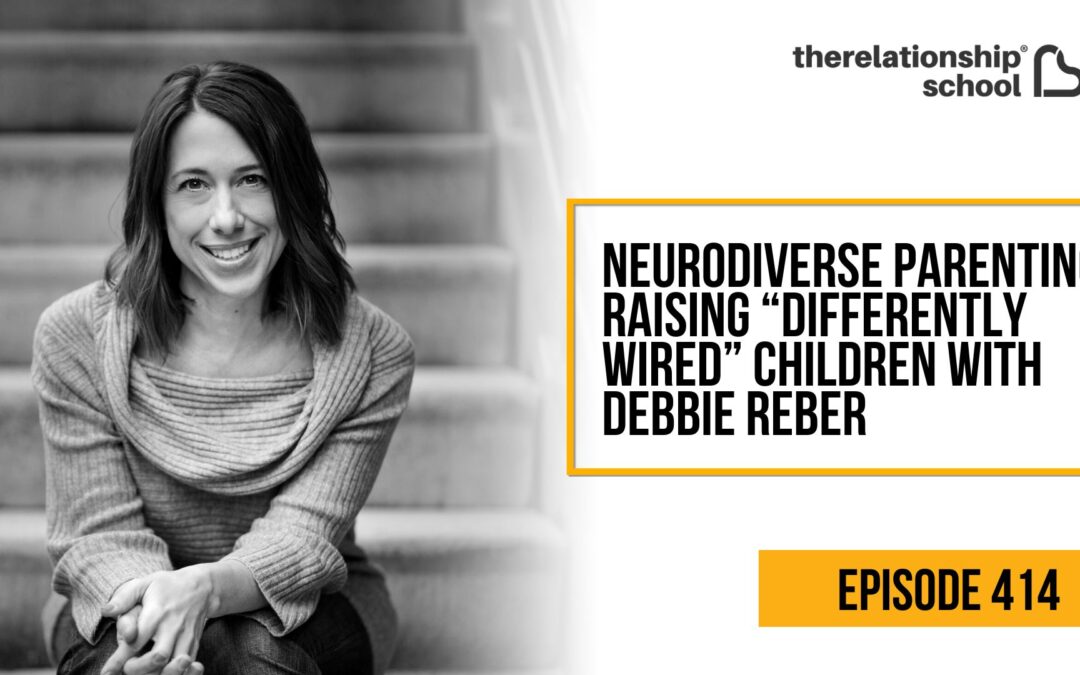
By far the most important age to get parenting “right” is 0-3. This is when the “self” forms and if the primary caregiver (often the mother) is not well, major challenges will emerge in the child. If you have a complicated relationship with your parents or you are a new parent, this is a must listen.
Ever feel like you are the one overfunctioning in your relationship? Ever feel like you are “taking care” of your partner and they feel like a kid sometimes?
Listen to this week’s episode to hear Jayson review and unpack this codependent couples session with Shannon and Matthew (or catch the episode on YouTube to see the action and better understand what their body language is saying).
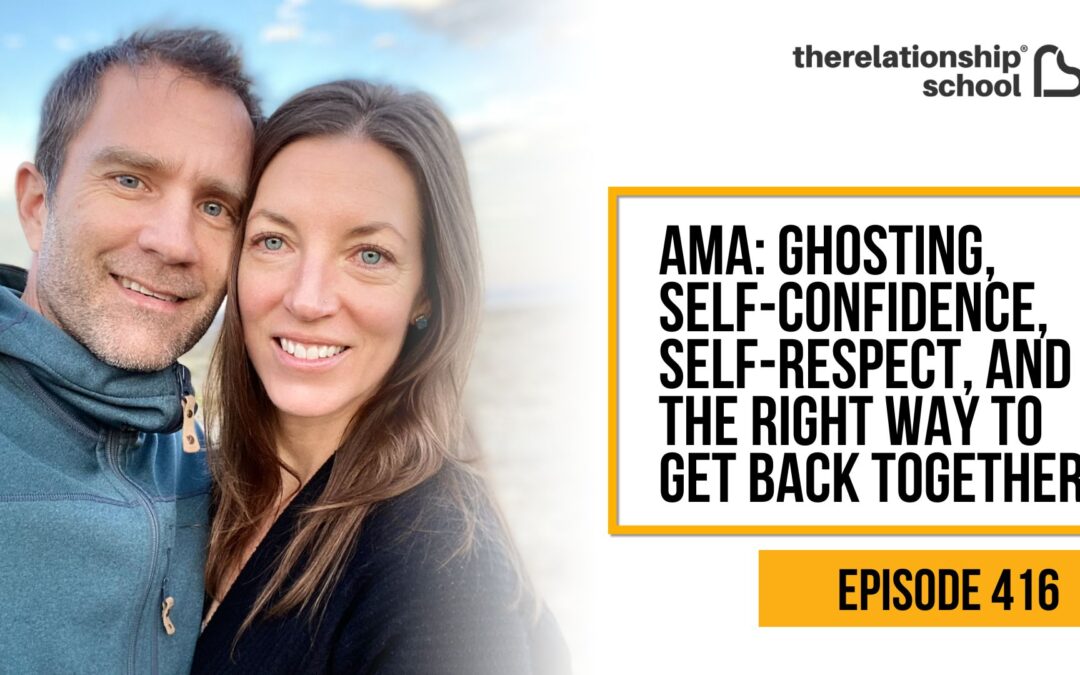
This week my wife Ellen and I tackle a couple of your questions…
Jennifer is curious about how to forgive ourselves when we relapse into old patterns…
Ashley asks us how self-centeredness is either useful or destructive…
Brian inquires about confidence, and how to stand up for yourself respectfully…
Hannah asks if and how there’s a right way to get back together with someone…
Tune in to this week’s Ask Me Anything episode where we discuss ghosting, being centered in a world out of balance, the importance of co-creating agreements in your relationships, and more.
Ever feel like you are the one overfunctioning in your relationship? Ever feel like you are “taking care” of your partner and they feel like a kid sometimes?
Listen to this week’s episode to hear Jayson review and unpack this codependent couples session with Shannon and Matthew (or catch the episode on YouTube to see the action and better understand what their body language is saying).
This week I spoke with Debbie Reber, author, and founder of TILT Parenting which offers resources to parents of neurodiverse “differently wired” humans to help navigate these uncertain waters in a world where everything is biased towards “normal”.
We speak about how ADHD is considered neurodiverse, and often oversimplified as someone who experiences challenges with their focus when in reality it includes challenges with emotional regulation, impulsivity, misreading social cues, and rejection sensitive dysphoria. We also learn about the Autism Spectrum, and some of the terminology like “twice exceptional”, “masking”, “high-functioning” and “Aspergers”. And, of course, we talk about neurotypical-neurodiverse relationships.