Have you ever been advised by friends or family not to “settle” in your romantic partnership?
Did you ever consider why you may be settling, or have settled in the past?
Do you believe in not settling because you’re waiting for “the one”?
In this episode, I unpack “settling” and offer three essential ingredients I think it takes to make a relationship work day-to-day and in the long term.
Have you ever noticed how grief needs to be acknowledged?
Have you experienced denying grief, running from it, or pushing it down? Can you identify the importance of role modeling for your kids to be grief-literate?
This week on the podcast we chat with Sherry Walling, a clinical psychologist, author, and occasional circus artist enthusiast. Professionally, Sherry specialized in traumatic stress, but when her father passed away and her brother committed suicide, her professional and personal worlds collided as she navigates the painful waves of grief.
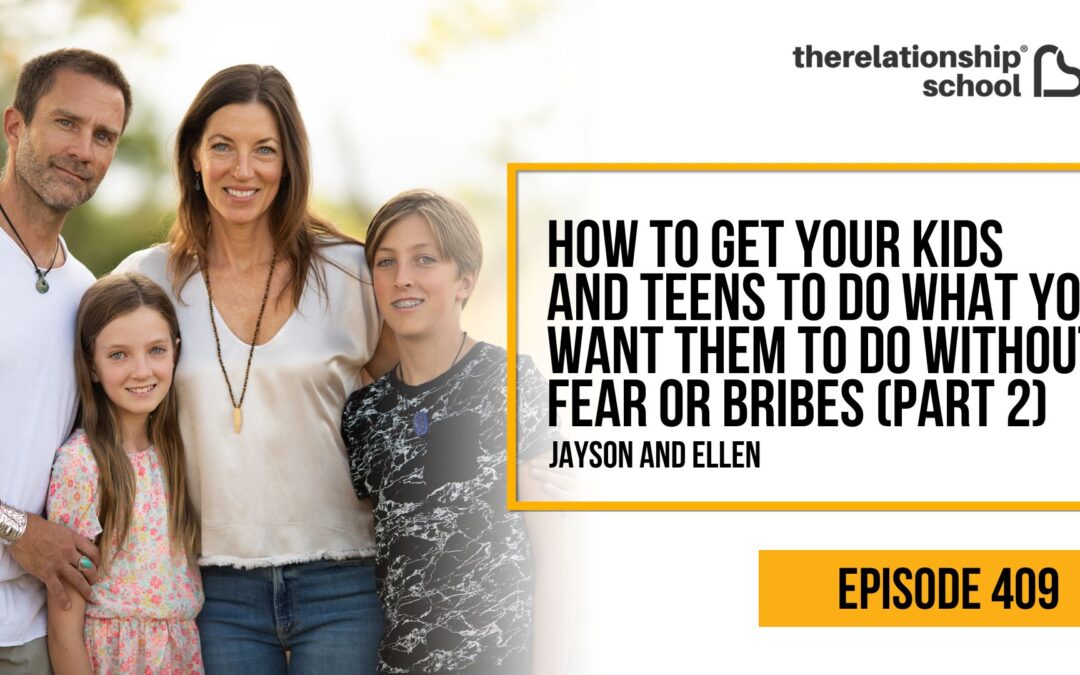
Ellen and I build on what we discussed in last week’s episode. We chat about the single most important family value to have and how it comes into play in how to get your kid to do what you need them to, without resorting to fear, manipulation, or bribery (whether you’re dealing with toddlers, teens, or any age in between).
Do you know the difference between covert and overt narcissism?
Did you know that it’s possible to resolve a personality disorder via relationship?
Are you familiar with some of the dynamics in a partnership where one or both people have a personality disorder, and what is there for me to learn about myself and reflect on if I suspect I am such a partner?
In this week’s episode I spoke with Carolyn Bankston, a clinical social worker who works with people with personality disorders. Bankston explains that a personality disorder is, at its root, an attachment wound born from a traumatic dynamic with one’s primary caregiver in the first three years of life. Carolyn shares with us the ways that a relationship is healing even under these pathological circumstances and speaks to the Borderline, Narcissistic, and Schizoid Personality Disorders in particular.