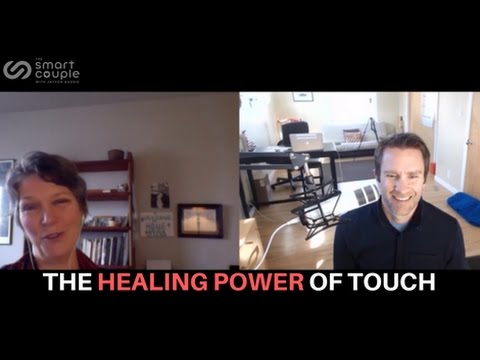
Are you using touch to just get off, or are you willing to slow down and see what the touch you give and receive is bringing? Touch is a magical force that allows the human animal in you to soften, relax, and open. In this episode erotic adventurer Betty Martin shares her experience with the healing power of touch and gives you very practical advice on how to maximize your safety and pleasure.
SHOWNOTES
Is our culture sexually jammed up? [11:00]
Where is your ‘pleasure ceiling’ and how is it impacting your relationship? [16:00]
Betty’s ‘Waking Up The Hands exercise and how to test your pleasure capacity [18:00]
Understanding the ‘Wheel of Consent’ [25:00]
The fallacy of ‘she liked it yesterday’ [29:00]
The difference between a request, an offer and an invitation [32:00]
The hidden dangers of desire-smuggling [36:00]
What to do when someone asks you what you want but you don’t know [39:00]
The 3-Minute game to understand what you and your partner want out of touch[40:00]
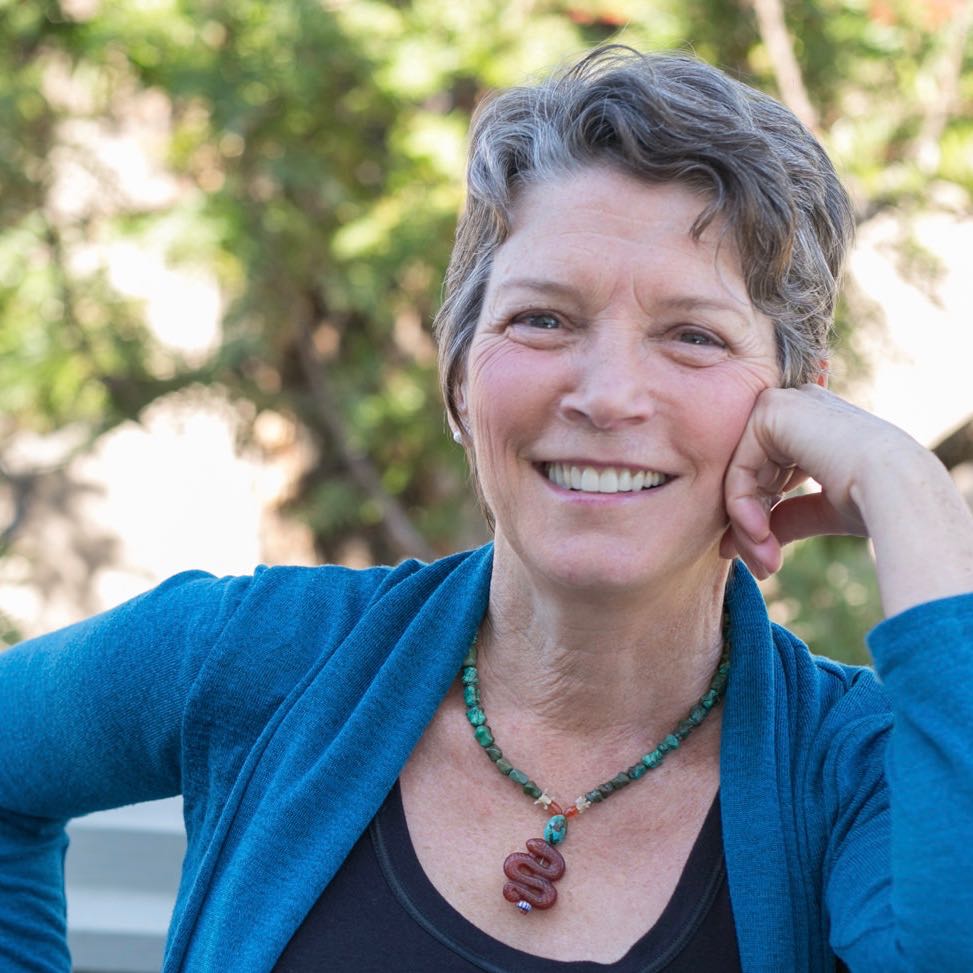
Betty loves teaching people how to know what they want and how to value it, trust it, and communicate it. Touch is the best way to learn those things and it is those things that make touch enjoyable.
If you would like to bring a sense of ease, confidence, presence and sensuality into all your touch (and all your being-touched), Betty is the teacher for you.
Betty has had her hands on people professionally for over 30 years. Chiropractic and other modalities, Sexological Bodywork, surrogate partner and Tantric touch. Also Contact Improv and other kinds of play.
She trains other touch professionals through her course ‘Like a Pro’ and other workshops. She is passionate about helping them learn how to assess what is most useful for their clients, and how to teach them to become fully empowered in their desires and choices. She also trains facilitators for a boundary and communication workshop called ‘Cuddle Party’.
She loves sharing her experience, and her teaching style is practical, participatory and fun.
If you are a more “masculine” woman, chances are you’ll find yourself with a more “feminine” man. Is this a problem? Not at all. In fact, if you understand basic polarity principles, this can work to your advantage. Unless of course you want to keep blaming your partner. There is something simpler you can do. Listen for more info…
SHOWNOTES
QUESTION: Can you speak to male/female polarity dynamics? Particularly when the female partner tends to have more of a masculine energy in the relationship – in terms of being type-A, taking action, wanting to get things done – while the male partner has more of a passive, laid back, feminine energy. As the female partner with the more masculine energy, I find this dynamic really frustrating and wonder if it means I’ll be signing up for life where I will be doing most of the heavy lifting around all the practical dynamics of daily life? I was wondering if this dynamic would be too difficult to sustain in a satisfactory way, although we are both growth-oriented, so that part is not a concern.
Why we get triggered by our opposites [3:00]
You go first (don’t wait for your partner to change) [4:00]
Learning to own what you’ve disowned for a better relationship [8:00]
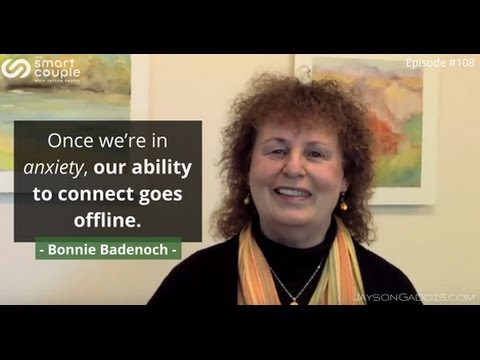
What is co-regulation and how do I feel safe in my relationship? In this episode my guest Bonnie Badenoch goes deep into the co-regulatory nervous system. We discuss the importance of interpersonal neurobiology and how we can regulate each other. She covers the myth and limitations of self-regulation and what we must learn instead. Bonnie is a psychotherapist and healer devoted to helping people feel safe in their own skin. We cover a lot of ground in this one, and I recommend going slow and maybe even listening twice.
SHOWNOTES
The myth of ‘self-regulation’ [13:00]
What happens when we’re co-disregulated [15:00]
How we can feel safe by using a third person [20:00]
Why co-regulation is so vital to our sense of safety and security [25:00]
If you think your partner is in their ‘left-brain’ too often, they might be experiencing this type of acute pain [36:00]
The little-known third branch of the autonomic nervous system [41:00]
How feeling helpless can mimic death in the body [46:00]
GUEST BIOBonnie Badenoch, PhD, LMFT is an in-the-trenches therapist, mentor, teacher, and author who has spent the last thirteen years integrating the discoveries of relational neuroscience into the art of therapy. In 2008, she co-founded the nonprofit agency, Nurturing the Heart with the Brain in Mind in Portland, Oregon to offer this work to the broad community of therapists, healthcare providers, and others interested in becoming a therapeutic presence in the world. Her conviction that wisdom about the relational brain can support healing experiences for people at every age led to the publication of Being a Brain-Wise Therapist: A Practical Guide to Interpersonal Neurobiology in 2008 and The Brain-Savvy Therapist’s Workbook in 2011. In 2013, she and Susan Gantt co-edited and contributed to a new book, The Interpersonal Neurobiology of Group Psychotherapy and Group Process. Her new book in preparation is The Heart of Trauma: Healing the Embodied Brain in the Context of Relationships. People are saying that these books fill the gap between science and practice with clarity, compassion, and heart.
I can imagine being with one person for 10 years, but at 50 years I just wonder if people don’t change so much that setting the goal of “together forever” isn’t setting yourself up for failure. SHOWNOTES
QUESTION: What does marriage mean? What is an actual functional definition of marriage? Are lifelong 50-year relationships natural or desirable?
What does marriage really mean? [3:00]
Are 50 year relationships realistic? [7:00]
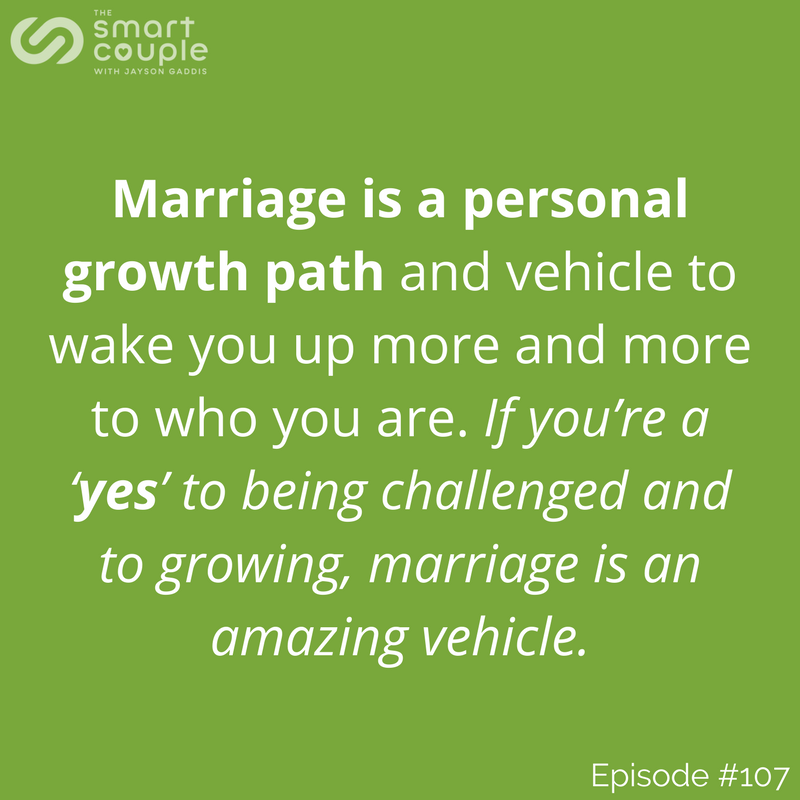
Using marriage as a vehicle for your own personal growth [11:00]



 Betty loves teaching people how to know what they want and how to value it, trust it, and communicate it. Touch is the best way to learn those things and it is those things that make touch enjoyable.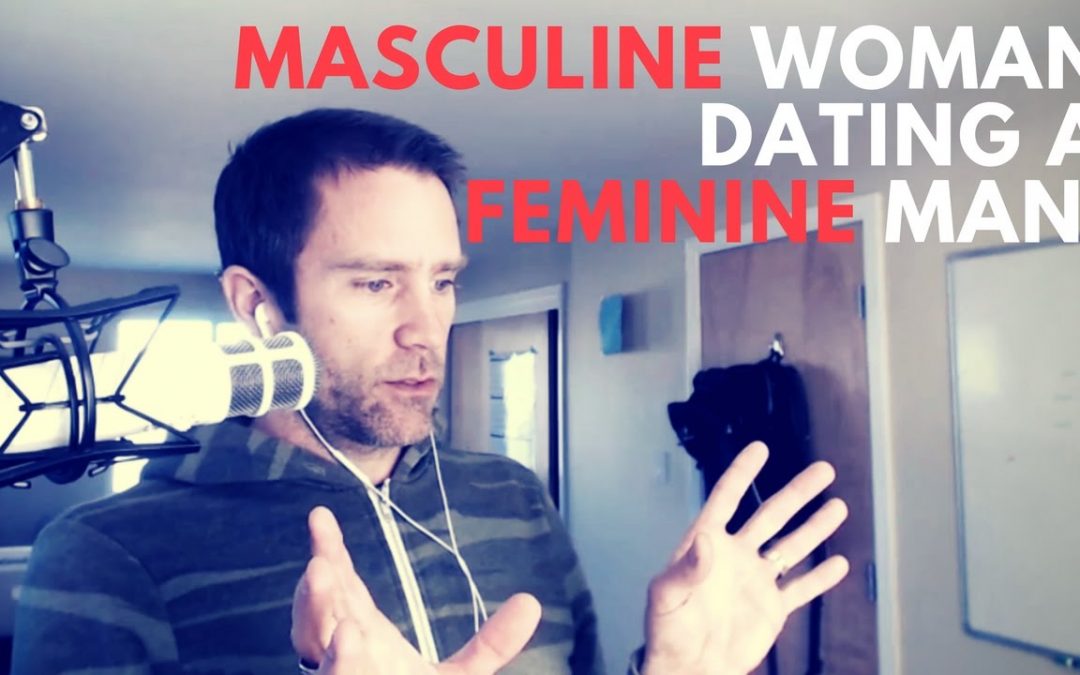
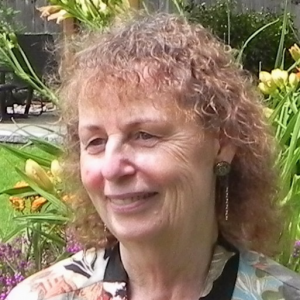 Bonnie Badenoch, PhD, LMFT is an in-the-trenches therapist, mentor, teacher, and author who has spent the last thirteen years integrating the discoveries of relational neuroscience into the art of therapy. In 2008, she co-founded the nonprofit agency,